
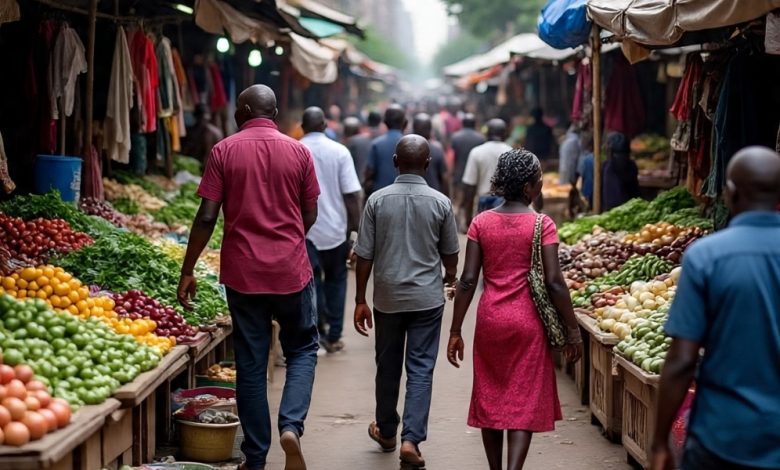
Get practical tips for surviving on N40,000 salary in Nigeria 2026. Learn budgeting hacks, side hustles, and money-saving strategies to make ends meet.
Surviving on N40,000 Salary in Nigeria 2026: Budgeting Plan
Living on N40,000 monthly in Nigeria today feels like trying to stretch a rubber band to its absolute limit.
With fuel prices hovering around N1,000 per liter, food costs climbing daily, and rent eating up a huge chunk of income, many Nigerians earning this amount are wondering how to survive without going into debt every month.
If you are earning N40,000 and struggling to make it work, you are not alone. Millions of Nigerians face this reality daily. The good news?
With smart budgeting, creative thinking, and practical adjustments to your lifestyle, you can survive and even save a little. This guide shares realistic, tested strategies to help you navigate these challenging times.
Read Also: Best Loan Apps That Accept NYSC Members 2026/2027: Complete Guide with EazySaves, ALAT & More
N40,000 Salary Reality
Before discussing the survival tips, let’s be honest about what N40,000 can and cannot do in 2026. This salary puts you below the minimum wage, and in most Nigerian cities, it barely covers basic needs.
However, understanding your limitations helps you plan better and avoid unrealistic expectations that lead to frustration and debt.
The key to surviving on this income is accepting that you’ll need to make tough choices, prioritize ruthlessly, and get creative with solutions. It’s not about living luxuriously but about meeting your basic needs while maintaining dignity and hope for better days.
Create a Realistic Budget and Stick to It
Your budget is your survival roadmap. Without one, your N40,000 will disappear before mid-month, leaving you borrowing and stressed.
Start by listing all your income sources, including the N40,000 salary and any side hustles. Next, list your expenses in order of importance: rent, food, transportation, utilities, and others. Be brutally honest about what you actually spend, not what you wish you spent.
A practical budget breakdown might look like this: rent (N10,000-N15,000 if you’re living in a shared apartment or boys’ quarters), food (N15,000-N18,000), transportation (N5,000-N7,000), airtime and data (N2,000-N3,000), utilities (N2,000-N3,000), and savings (N2,000-N3,000). The numbers will vary based on your location and circumstances, but the principle remains the same.
You loan funds from legit government platforms to sort your other variant needs.
Write down every expense, no matter how small. That N200 for pure water or N500 for snacks adds up quickly. Track your spending daily using a simple notebook or your phone’s notes app. When you see where your money actually goes, you will find areas to cut back.
Smart Housing Choices That Save Money
Housing is typically your biggest expense, so getting this right is crucial. If you’re spending more than N15,000 on rent with a N40,000 salary, you need to reconsider your housing situation.
Look for shared accommodation in less expensive neighborhoods. Many people earning similar amounts share a room or rent boys’ quarters in family compounds. While it’s not ideal, it’s temporary and frees up money for other needs. Areas on the outskirts of major cities offer cheaper rent than central locations.
Consider living with family if possible, even if you contribute to household expenses. The amount you will pay is usually less than renting alone, and you save on utilities and sometimes food. If pride is holding you back, remember that survival comes first.
Another option is becoming a live-in worker if your job allows it. Some businesses offer accommodation as part of compensation, which can be a game-changer for your budget.
Food Strategies That Stretch Your Budget
Food is your second major expense, and this is where many people overspend without realizing it. Eating out, buying packaged snacks, and making impulsive food purchases can drain half your salary before you know it.
Cook your own meals at home. This single decision can cut your food expenses by half or more. Buy raw ingredients from local markets instead of supermarkets where prices are higher. Visit the market late in the evening when sellers reduce prices to clear remaining stock.
Plan your meals for the week before shopping. This prevents buying items you don’t need and reduces food waste. Focus on affordable, filling staples like rice, beans, garri, yam, and seasonal vegetables. Protein can come from cheaper sources like eggs, chicken parts, and fish when available.
Buy in bulk when possible and split costs with friends or roommates. A bag of rice bought together is cheaper per kilogram than buying small portions weekly. Store food properly to prevent spoilage and waste.
Carry homemade lunch to work instead of buying food daily. If you spend N500 on lunch each workday, that’s N10,000 monthly gone. Cooking your lunch costs maybe N4,000-N5,000 monthly, saving you N5,000-N6,000.
Transportation Hacks to Reduce Costs
With fuel prices so high, transportation can quickly become a budget killer. Getting to work and back home shouldn’t consume more than N7,000 of your N40,000 salary.
If possible, find accommodation near your workplace to cut transportation costs drastically. Walking to work might not be glamorous, but it’s free and keeps you healthy. Many successful people started by walking long distances to work.
Use public transportation exclusively. Forget about ride-hailing apps unless it’s an emergency. Danfo buses, keke napep, and okada are your friends when used safely. Learn the cheapest routes to common destinations.
Consider buying a fairly used bicycle if your commute is reasonable and the roads are safe. The upfront cost might seem high, but it pays for itself within months and eliminates daily transportation costs.
For those who must use public transport, buy weekly or monthly passes where available. Some transport unions offer discounted rates for regular commuters. Network with colleagues who live nearby and arrange car-pooling, sharing fuel costs.
Generate Extra Income Through Side Hustles
Relying solely on N40,000 is extremely difficult. Finding ways to earn extra income, even small amounts, makes a significant difference in your quality of life.
Look for skills you already have that can generate income. Can you write, design graphics, tutor students, braid hair, fix phones, or bake? The gig economy offers opportunities for almost everyone. Platforms like social media, WhatsApp groups, and word-of-mouth can connect you with clients.
Freelancing online is increasingly accessible. Websites like Fiverr, Upwork, and local platforms welcome beginners. Start with simple tasks like data entry, social media management, or virtual assistance. Even earning an extra N10,000-N20,000 monthly transforms your situation.
Consider weekend hustles like selling items in your neighborhood, helping with event planning, photography using your smartphone, or offering cleaning services. Many successful businesses started as weekend side hustles.
Buy and resell items where there’s demand. If you know where to get products cheaper, you can mark up and sell to your network. Start small with items like phone accessories, beauty products, or clothes.
The key is starting, even if it feels small. That extra N500 or N1,000 weekly adds up and provides breathing room in your budget.
Cut Unnecessary Expenses
When living on N40,000, every naira matters. This means eliminating expenses that don’t directly contribute to your survival or wellbeing.
Cancel subscriptions you don’t absolutely need. That Netflix, DSTV, or Spotify subscription might seem small, but N2,000-N5,000 monthly is significant on your income. Use free alternatives like YouTube or share subscriptions with friends.
Reduce your data consumption by using free WiFi whenever available. Many public spaces, cafes, and even some fuel stations offer free WiFi. Download content when connected to WiFi instead of streaming on data.
Stop trying to keep up with friends who earn more. Politely decline expensive hangouts and suggest cheaper alternatives like meeting at home instead of restaurants. Real friends understand financial constraints.
Avoid impulse purchases completely. Before buying anything beyond basic necessities, wait 24 hours. Most times, the urge passes, and you realize you didn’t need it. This simple rule can save thousands monthly.
Buy generic or local brands instead of expensive imported ones. The quality difference is often minimal, but the price difference is significant. Nigerian-made products are cheaper and support local economy.
Save Something, No Matter How Small
It might seem impossible to save on N40,000, but starting a savings habit, even with N1,000-N2,000 monthly, is important for emergencies and your mental health.
Use the “pay yourself first” method. Immediately your salary hits, remove the amount you’re saving and put it somewhere you won’t easily access. Mobile savings apps, contribution groups (ajo/esusu), or even a trusted friend holding it for you can work.
Savings protect you from emergencies that would otherwise push you into debt. When your phone screen cracks or you need medication, having even N5,000 saved prevents borrowing at interest or begging.
Set micro-goals for your savings. Instead of thinking “I need to save N100,000,” aim for “I want to save N20,000 in six months.” Breaking it down makes it achievable and keeps you motivated.
Consider joining a contribution scheme where members contribute daily or weekly and take turns collecting the lump sum. This forced savings method helps many Nigerians accumulate money they wouldn’t otherwise save.
Use Free Resources and Community Support
Nigeria is full of resources and community support systems if you know where to look. Don’t suffer in silence when help is available.
Many churches, mosques, and community organizations offer assistance programs for members facing hardship. This might include free food programs, skill acquisition training, job connections, or emergency financial help.
Take advantage of free skill training programs offered by government agencies, NGOs, and private organizations. Learning new marketable skills can open doors to better-paying opportunities or side hustles.
Join online communities related to your interests or profession. These networks often share job opportunities, business tips, and support during tough times. Facebook groups, WhatsApp communities, and Twitter spaces are free and valuable.
Don’t be too proud to accept help from family and friends when genuinely needed. Nigerian culture values community support. Many people are willing to help if they know you’re trying your best and just need temporary assistance.
Maintain Your Health on a Budget
Healthcare is expensive, so preventing illness is cheaper than treating it. With limited income, you cannot afford frequent hospital visits.
Prioritize basic hygiene and nutrition to avoid preventable illnesses. Wash hands regularly, drink clean water, eat balanced meals when possible, and get adequate sleep. These simple habits prevent many common health issues.
Exercise doesn’t require gym membership. Walking, jogging, and home workouts using your body weight are free and effective. Physical activity boosts your mood, energy, and immunity.
Use government health centers and teaching hospitals where services are significantly cheaper than private clinics. Many states offer basic healthcare services at minimal costs for residents.
Don’t ignore minor health issues until they become major problems. Address symptoms early when treatment is cheaper and simpler. Keep a small emergency medical fund even if it’s just N2,000-N3,000.
Plan for the Future While Surviving Today
Living on N40,000 is a season, not a sentence. While managing today’s challenges, keep planning and working toward better opportunities.
Continuously upgrade your skills and education. Free online courses, YouTube tutorials, and borrowed books can significantly improve your marketability. Invest time in learning skills that command higher salaries.
Apply for better-paying jobs consistently. Update your CV, network actively, and don’t give up after rejections. Each application increases your chances of landing something better.
Document your side hustle experiences and build a portfolio. As you freelance or run small businesses, collect testimonials and showcase your work. This builds credibility for bigger opportunities.
Stay positive and avoid bitterness. Financial struggles are tough, but maintaining hope and a good attitude attracts opportunities. People prefer working with optimistic, solution-focused individuals.
Remember that many successful Nigerians survived on far less than N40,000 in previous years. Your current situation is temporary if you remain focused, disciplined, and willing to work hard.
Frequently Asked Questions
1. Can I really save money on a N40,000 salary?
Yes, you can save even on N40,000, though it requires discipline. Start with small amounts like N1,000-N2,000 monthly. Cut unnecessary expenses, find shared accommodation, cook at home, and look for side hustles to increase income. Every small amount saved protects you from emergencies and debt.
2. What’s the best side hustle to start with limited money?
Service-based businesses require little or no capital. Consider freelance writing, social media management, tutoring, hair braiding, phone repairs, or event assistance. Use skills you already have and start by serving people in your immediate network. Online freelancing platforms also offer opportunities that require only internet access.
3. How much should I spend on food monthly with N40,000 salary?
Aim for N15,000-N18,000 on food monthly. This requires cooking at home, buying from local markets, planning meals, avoiding waste, and carrying lunch to work. Focus on affordable staples like rice, beans, garri, and seasonal vegetables. Buy in bulk with friends when possible to reduce costs.
4. Is it better to live alone or share accommodation?
Sharing accommodation is much better when earning N40,000. Splitting rent, utilities, and sometimes food costs with roommates can save you N5,000-N10,000 monthly. This extra money can go toward food, transportation, savings, or emergencies. Privacy is nice, but survival comes first.
5. How can I avoid borrowing money every month?
Create and follow a strict budget, cut all unnecessary expenses, track every naira spent, and find ways to earn extra income through side hustles. Build emergency savings even if small, and resist lifestyle temptations beyond your means. Also, avoid spending before your salary arrives.
6. What areas of Lagos or Port Harcourt have cheapest accommodation?
In Lagos, areas like Ikorodu, Agege, Ajah, Satellite Town, and parts of Alimosho offer cheaper accommodation. In Port Harcourt, look at areas like Rumuokwuta, Rukpokwu, Eliozu outskirts, and Oyigbo. Always prioritize safety over cost and visit locations before committing to avoid scams or dangerous neighborhoods.
7. Should I focus on saving or starting a side business?
Do both if possible. Save at least N1,000-N2,000 monthly for emergencies while starting a side business that requires minimal capital. Service-based hustles need little money to start. Your side income can grow your savings faster. Balance is key because both savings and extra income improve your financial security.
Conclusion
Surviving on N40,000 in Nigeria today is genuinely challenging, but thousands of people do it successfully by making smart choices, staying disciplined, and maintaining hope.
Your situation can improve through consistent effort, skill development, and wise financial decisions.
Henceforth, implement these practical tips today, and remember that this difficult season will pass as you work toward better opportunities.
We understand that it’s not really easy to manage especially if you have children. In our next article we would also write on how to manage N40,000- 50,000.00 salary as a family man with children in Nigeria.