
How to Save Money as a Nigerian Student to Buy a Laptop for Remote Work in 2026
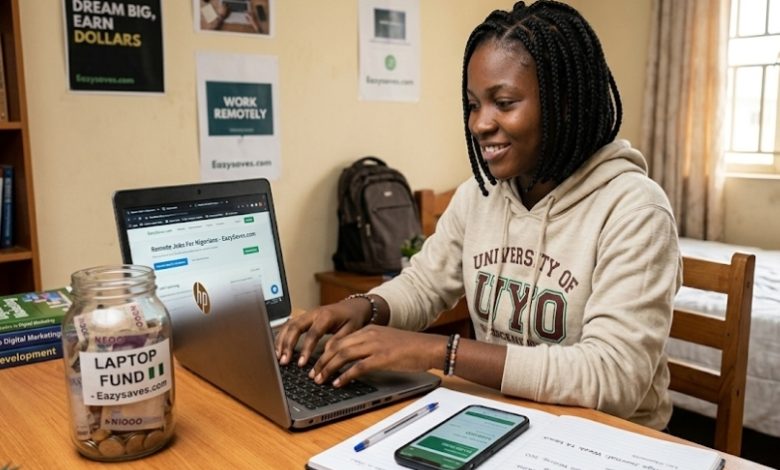
How to Save Money as a Nigerian Student to Buy a Laptop for Remote Work. Learn about high-paying remote job sites for Nigerians, budgeting tips, and the best laptop specs for digital skills in 2026.
How to Save Money as a Nigerian Student to Buy a Laptop for Remote Work in 2026
By: Iniobong Asuquo Okon
Introduction
The reality of the Nigerian educational system today is that a degree alone is no longer a guaranteed ticket to financial stability. With the rise of the digital economy, remote work has become the ultimate equalizer, allowing young Nigerians to earn in dollars, build global portfolios, and secure their financial future even before graduation.
However, there is one major roadblock standing between the average student and a lucrative remote career: access to a reliable computer. If you are currently browsing on your smartphone, dreaming of landing premium remote roles, you already know that a good laptop is an indispensable tool.
Whether you are aiming to dive into Search Engine Optimization (SEO), Virtual Human Resources Management, or digital marketing, securing the right hardware is your first major investment.
This comprehensive guide, exclusively brought to you by EazySaves, is designed to show you exactly how to navigate the current economic climate, cut unnecessary costs, and strategically save up to buy your first laptop for remote work.
Why Every Nigerian Student Needs a Laptop Right Now
In 2026, the job market has evolved drastically. Employers are no longer restricted by geographical boundaries. A student living in Uyo or anywhere else in Nigeria can seamlessly offer services to tech companies in Silicon Valley, London, or Singapore. However, executing high-level tasks requires more computing power and multitasking capabilities than a mobile phone can provide.
- Skill Acquisition: High-income skills such as managing content on WordPress, setting up fast-loading themes like Astra, configuring plugins, or running comprehensive SEO audits require a desktop environment. While you can read about these concepts on your phone, practical implementation demands a laptop.
- Professionalism and Efficiency: Remote work requires constant communication, document formatting, and time management. Trying to edit an ATS-optimized CV or build a complex client proposal on a mobile device is frustrating and often leads to formatting errors. A laptop allows you to work faster and present yourself as a polished professional.
- Access to Premium Opportunities: Top-tier remote companies have strict technical requirements for their independent contractors and full-time employees. You cannot pass a technical screening or a live virtual interview efficiently without a stable webcam and a machine capable of running necessary software.
The Actual Cost of Laptops in Nigeria (2026 Realities)
Before you can save effectively, you need a clear, realistic target. The price of electronics in Nigeria fluctuates based on exchange rates, but understanding the market for “UK-used” (fairly used) versus brand-new laptops is crucial.
As a student starting out, you do not need the latest MacBook Pro. Your goal is to acquire a dependable, entry-level to mid-range machine that can handle web browsing with multiple tabs, document editing, and basic software without lagging.
- Minimum Specs to Look For: Aim for a laptop with at least an Intel Core i5 (or AMD Ryzen 5) processor, 8GB of RAM (16GB is highly recommended for multitasking), and a 256GB Solid State Drive (SSD). An SSD is non-negotiable; it ensures your laptop boots up quickly and loads applications smoothly.
- Estimated Costs: A solid UK-used laptop with the above specifications typically ranges from ₦250,000 to ₦450,000, depending on the brand (HP, Dell, Lenovo) and condition. Brand-new entry-level laptops can start from ₦600,000 upwards.
- Setting Your Target: For the sake of this guide, let’s assume your target is ₦350,000 for a reliable, UK-used machine. Having a definitive number allows you to break down your savings goal into manageable monthly or weekly chunks.
Actionable Strategies to Save Money on Campus
Saving hundreds of thousands of naira as a student might seem like a monumental task, especially with the rising cost of living on campus. However, with intense discipline and the right financial strategies, it is entirely possible.
1. Audit Your Monthly Allowance and Expenses
The first step in any EazySaves financial plan is tracking where your money goes. For one month, record every single naira you spend. You will likely find “leaks” in your budget—money spent on impromptu junk food, excessive data subscriptions, or unnecessary outings. Once you identify these leaks, redirect those funds into your laptop savings pool.
2. Cut Down on Food Costs Through Bulk Buying
Eating at campus restaurants or ordering food online is a massive drain on your finances. To save aggressively, you must embrace cooking. Partner with friends or roommates to buy foodstuff in bulk from local markets. A bag of rice, beans, and garri bought in bulk is significantly cheaper than buying in small quantities. Cook your meals and pack them if you plan to stay long hours at the library or lecture halls.
3. Automate Your Savings with Fintech Apps
Do not rely on willpower alone. Keeping your savings in your main bank account makes it too easy to spend when an “emergency” arises. Utilize secure Nigerian fintech applications like PiggyVest or Cowrywise to automate your savings. Set up a “Target Savings” plan specifically named “Remote Work Laptop.” Lock the funds so you cannot access them until you reach your target date or amount. Earning interest on these locked savings will also give you a slight financial boost.
4. Optimize Your Data Usage
Data is expensive in Nigeria. As an aspiring digital worker, you need the internet, but you must be smart about it. Take advantage of campus Wi-Fi whenever available. If you must buy data, opt for night plans or heavy-duty monthly plans that offer more value per gigabyte. Avoid spending hours scrolling through social media; instead, use your data to research remote jobs and learn marketable skills.
5. Start a Low-Capital Campus Side Hustle
You cannot simply save your way to wealth if your income is too low. You need to increase your cash flow. Look for problems on campus and offer solutions.
- Academic Services: Offer to type assignments, format projects, or create presentation slides for final-year students.
- Sales: Buy affordable, high-demand items (like thrift clothes or phone accessories) and sell them in your hostel.
- Tutoring: If you are excellent at a particular subject, organize paid tutorials for junior colleagues.
Every single naira from these side hustles should go directly into your laptop fund.
Leveraging Free Resources While You Save
Waiting until you buy a laptop to start your digital career is a mistake. You can begin laying the groundwork right now using your smartphone.
- Learn the Theory: Read extensive guides on digital marketing, content writing, and HR management. Watch YouTube tutorials on how to build websites using Blogger or how to optimize content for search engines.
- Optimize Your Professional Profiles: You can easily create and update your LinkedIn profile on your phone. Write a compelling bio that highlights your current skills and the areas you are actively learning. Make sure your profile is visible to international recruiters.
- Draft Your CV: Use mobile-friendly apps to draft a clean, ATS-optimized resume. Focus on clearly articulating your educational background, any campus leadership roles, and the digital skills you are currently acquiring.
By the time you finally purchase your laptop, you will not be starting from scratch. You will already have the foundational knowledge required to start applying for jobs immediately.
Top Platforms to Find Remote Jobs for Nigerians
Once you have successfully saved up, bought your laptop, and honed your digital skills, the next step is finding high-paying clients or employers. The global market is vast, and Nigerian talent is highly sought after. Here are the top platforms to target in 2026:
- Premium International Platforms: For those targeting top-tier remote roles, platforms like Micro1 x AI Labs and Flowmingo are excellent for tech, AI-training, and management positions. Additionally, boards like workremotely curate a massive list of global opportunities open to international applicants.
- Freelance Marketplaces: Upwork and Fiverr remain the classic starting points. They allow you to build a portfolio by taking on smaller gigs before transitioning to long-term contracts.
- Local and Specialized Job Hubs: Do not ignore platforms dedicated to connecting Nigerian professionals with quality roles. Websites like workcareerportals.com.ng are fantastic resources tailored for career advancement, offering reliable insights into remote vacancies, recruitment processes, and professional growth.
- LinkedIn: Often overlooked as a job board, LinkedIn is arguably the most powerful tool for remote workers. By optimizing your profile for SEO keywords related to your niche, recruiters can find you directly. Engage with content, network with founders, and apply for roles listed in the “Jobs” section using the “Remote” filter.
Conclusion
Saving up for a laptop as a student in Nigeria is a test of endurance and financial discipline. It requires sacrificing immediate gratification for a long-term reward. However, the day you boot up your own PC and land your first remote gig, every skipped campus party and homemade meal will be entirely worth it.
Start tracking your expenses today, explore side hustles, and stay focused on your goal. The world of remote work is waiting for your specific talents.
For more daily tips on financial management, career growth, and exclusive remote job updates, keep reading EazySaves. Your journey to financial independence starts right here.

Iniobong is the Founders of EazySaves and a seasoned Career Consultant with over 4 years of experience in Virtual HR Management. Holding an M.A. and B.A. in Linguistics, Iniobong combines his deep understanding of structured communication with SEO expertise to provide Nigerians with clear, actionable advice on career growth and financial literacy. He is dedicated to helping young professionals navigate the digital economy with ease.
The co-founder is Anietie Asuquo